Cardiac Cath Recovery: What to Expect
Most of what determines how well you feel after a cardiac catheterization happens not on the table but in the hours and days that follow — at the access site, on your feet at home, and in knowing exactly which symptoms mean pick up the phone. Here is what current guidance says recovery really looks like.
- Cardiac cath recovery: what to expect right after the procedure
- Radial (wrist) access aftercare
- Femoral (groin) access aftercare
- The first 24 to 48 hours at home
- Activity restrictions and getting back to normal
- When to call the doctor — and when to call 911
- Medications after cardiac catheterization
- The longer recovery and follow-up
- Key takeaways
Cardiac cath recovery: what to expect right after the procedure
Cardiac cath recovery begins the moment the catheters come out and the sheath is removed. If the procedure was a straightforward diagnostic coronary angiogram, most people spend a few hours in a recovery area and go home the same day. If a stent was placed during a percutaneous coronary intervention (PCI), an overnight stay is more common. The difference between a purely diagnostic study and an intervention is worth understanding, and our comparison of PCI versus diagnostic catheterization lays out why the two recoveries differ.
In the first few hours, the team keeps a close eye on your blood pressure, heart rhythm, and the access site — the spot in your wrist or groin where the catheter went in. You may feel groggy from the light sedation, a little bruised at the puncture site, and thirsty. None of that is cause for alarm. Nurses will check the site repeatedly, feel for pulses beyond it, and ask you to report any warmth, wetness, or swelling immediately.
Contrast dye is flushed out by the kidneys, so you will be encouraged to drink fluids. Mild fatigue for a day or two is normal. What follows in this article is a plain-language map of the whole recovery — access-site care for both the wrist and the groin, activity limits, warning signs, medications, and the longer arc back to normal. This is educational information for patients, students, and clinicians preparing for exams such as the RCIS; it is not medical advice, and your own care team's instructions always take precedence.
Radial (wrist) access aftercare
The radial approach — entering through the artery in your wrist — has become the preferred route for most cardiac catheterizations, and recovery is one big reason why. Because the radial artery is small and sits just under the skin, bleeding is easy to control and you can usually sit up, eat, and walk soon after the procedure. Many people go home within a few hours of a diagnostic study done this way.
After the sheath is removed from your wrist, the team applies a compression band (often an inflatable cuff such as a TR Band) around the site. The pressure is gradually released over the next one to three hours in a technique called patent hemostasis, which stops bleeding while keeping a trickle of blood flowing through the artery to reduce the risk of it clotting shut. You will feel the band; it should be snug but not agonizing.
Once you are home, radial aftercare centers on protecting that wrist:
- Do not lift anything heavy with the affected arm for the first day or two — a common instruction is nothing heavier than a few pounds (about the weight of a coffee mug) for 24 to 48 hours.
- Avoid bending, gripping, or straining the wrist forcefully. No push-ups, no heavy bags, no wringing out towels.
- Keep the small bandage clean and dry, and leave it in place for the time your team specifies, usually a day or so.
- Expect some bruising along the forearm — it can track a surprising distance and turn colorful before it fades. This is normal.
- Watch your hand for coldness, numbness, blue discoloration, or worsening pain, which are signs the artery may be compromised.
Femoral (groin) access aftercare
When the catheter goes in through the femoral artery in the groin, recovery asks more of you up front. The femoral artery is larger and deeper, so achieving reliable closure takes longer and the site is under more strain from simply standing and walking. Expect a stretch of enforced stillness afterward.
Hemostasis is achieved either by manual pressure held over the site for 15 to 20 minutes, or with a vascular closure device (a plug or suture placed in the artery wall). With manual pressure, you will typically lie flat with the leg straight for two to six hours; a closure device often shortens that bed rest. During this time, do not bend the affected leg or lift your head sharply, both of which can pop the seal and restart bleeding.
Femoral aftercare at home focuses on the days that follow:
- Avoid heavy lifting and straining for about five to seven days — no lifting more than roughly 10 pounds, no vigorous pushing or pulling.
- No baths, swimming, or hot tubs until the site is well healed (usually about a week); showers are generally fine after the first day.
- Climb stairs slowly and limit them at first. Take it easy on the leg.
- Expect bruising and a small firm lump under the skin; a walnut-sized knot that slowly shrinks is common and not by itself alarming.
- Support the site when you cough, sneeze, or laugh by pressing gently over it with your hand.
The femoral site carries a specific hidden risk that everyone should know about: a puncture placed too high can bleed backward into the abdomen — a retroperitoneal bleed — which does not show as an obvious groin bruise. We cover that and other events in depth in our guide to cardiac cath complications. It is the main reason the wrist has overtaken the groin as the default access site.
| Radial (wrist) | Femoral (groin) | |
|---|---|---|
| Bed rest | Little to none; sit up soon | 2–6 hours lying flat |
| Time to walk | Within a few hours | After bed rest ends |
| Heavy-lifting limit | ~24–48 hours (that arm) | ~5–7 days |
| Bleeding control | Easy; superficial artery | Harder; deeper artery |
| Hidden-bleed risk | Very low | Retroperitoneal bleed possible |
The first 24 to 48 hours at home
The first day or two home is about rest, fluids, and keeping a close watch on the access site. You will likely feel more tired than you expect — the combination of sedation, the procedure itself, and a poor night's sleep in an unfamiliar bed adds up. Plan for a quiet day. Have someone stay with you the first night after any sedation, because you should not be alone in case a problem develops or you feel faint.
Practical ground rules for the first 24 to 48 hours:
- Drink plenty of water to help your kidneys clear the contrast dye, unless your doctor has restricted your fluids for heart failure or kidney reasons.
- Do not drive for at least 24 hours after sedation, and often longer if your team advises it.
- Skip alcohol for the first day; it can interact with sedation and thin the blood.
- Take it easy — no work, no exercise, no heavy chores. Light walking around the house is encouraged and actually helps.
- Resume most medications as instructed, but confirm the plan for blood thinners and diabetes drugs, which are sometimes paused around the procedure.
Check the access site a few times that first day. A little bruising, tenderness, or a small firm bump is expected. What you are looking for is change: rapid swelling, fresh bleeding, spreading redness, or increasing pain. If you had contrast and have diabetes or kidney disease, your team may have specific instructions about a medication called metformin and about a follow-up kidney blood test — follow those closely.
Activity restrictions and getting back to normal
Activity restrictions after a cardiac cath are almost entirely about protecting the access site while the artery seals, not about protecting your heart from movement. In fact, gentle walking is encouraged early because it keeps circulation healthy and lowers the risk of blood clots. The restrictions are temporary and site-specific.
A reasonable general timeline, always subject to your own team's instructions, looks like this:
- Day of procedure: rest, light walking around the house, no lifting or strenuous activity.
- Days 1–2 (radial) or days 1–5 (femoral): avoid heavy lifting, pushing, and pulling; no vigorous exercise; no straining the involved limb.
- After about 2 days (radial) or 5–7 days (femoral): most people return to normal daily activities, including light exercise, if the site has healed and there is no bleeding or pain.
- Return to work: desk jobs often within a couple of days; physically demanding jobs may need a week or more, or longer after PCI.
Sexual activity, like other moderate exertion, can generally resume once the access site is comfortably healed and you feel up to it — typically within about a week, and sometimes sooner after a radial diagnostic study. Driving resumes after sedation clears and the site is stable, commonly the day after. If a stent was placed, your cardiologist may layer on additional guidance, particularly about medications and the pace of ramping up exertion.
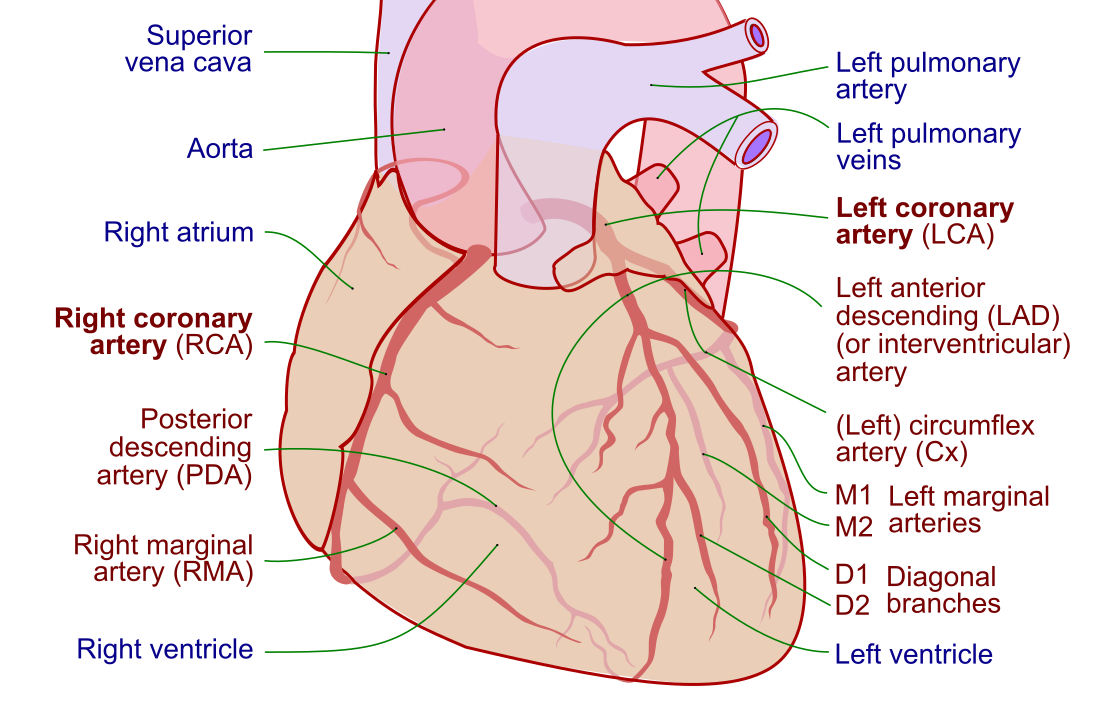
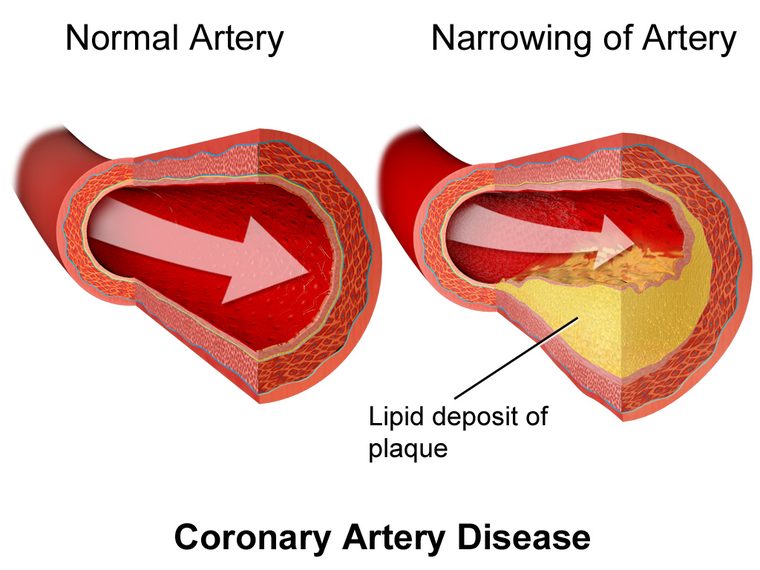
Recovery after a diagnostic study and recovery after PCI diverge here. A stent means you are healing an artery from the inside as well as sealing an access site, and your medication regimen becomes central to staying safe. Understanding the coronary anatomy that was treated and how a struggling circulation behaves can help you appreciate why your cardiologist paces your return the way they do — foundations we cover in our overviews of coronary artery anatomy and coronary artery disease.
When to call the doctor — and when to call 911
Knowing exactly which symptoms warrant a phone call and which warrant an ambulance is the single most useful thing you can take home. Most complications are rare and most recoveries are uneventful, but the events that matter tend to announce themselves clearly if you know the signs. Split them into two tiers.
Call 911 or seek emergency care immediately for:
- Bleeding from the access site that will not stop with firm pressure, or a sudden large swelling that is rapidly getting bigger.
- Chest pain or pressure, or shortness of breath — especially after a stent, this can signal a problem with the treated artery.
- The hand or leg beyond the site turning cold, blue, numb, or losing its pulse.
- Signs of stroke — face drooping, arm weakness, slurred speech, sudden confusion or vision loss.
- Fainting, severe dizziness, or a racing or pounding heartbeat that does not settle.
- Severe back, flank, or abdominal pain after groin access, which can signal a hidden retroperitoneal bleed.
Call your doctor's office (non-emergency) for:
- Signs of infection — spreading redness, warmth, pus or drainage, or a fever over about 100.4°F (38°C).
- A growing lump at the site, or a new pulsating mass, which may be a pseudoaneurysm.
- Bruising that keeps expanding after the first day or two rather than fading.
- Numbness, tingling, or weakness in the limb that persists or worsens.
- Questions about medications, missed doses, or new side effects.
Medications after cardiac catheterization
Your medication list after a cath depends heavily on what was done. After a purely diagnostic angiogram with no stent, you usually resume your normal medications, and your cardiologist may adjust them based on what the pictures showed. After PCI with a stent, medications become a cornerstone of recovery, because a freshly placed stent needs protection from clotting while the artery lining grows over it.
The key player is dual antiplatelet therapy (DAPT) — typically aspirin plus a second antiplatelet drug such as clopidogrel, ticagrelor, or prasugrel. Taking both, exactly as prescribed and without skipping doses, is critical after stenting: stopping early can let a clot form inside the stent, which is dangerous. The duration is individualized — often several months to a year or more — and is a decision only your cardiologist should change. Never stop these on your own, even for a dental or minor surgical procedure; call the prescriber first.
Other medications commonly on the post-cath list include:
- Statins to lower cholesterol and stabilize plaque, now standard after coronary disease is found.
- Beta-blockers and ACE inhibitors or ARBs, depending on your heart function and blood pressure.
- Nitroglycerin for angina relief, which some patients carry for chest pain — see our detailed article on nitroglycerin.
- Adjustments to diabetes medications, including holding metformin around contrast in select patients.
For readers who want the clinical depth behind these drugs, our overviews of the medications used in the cath lab and the medications used in heart failure go into the mechanisms and monitoring. The practical patient message is simpler: bring an up-to-date medication list to every follow-up, do not stop antiplatelet drugs without clearance, and ask before adding over-the-counter products, especially other blood thinners like ibuprofen.
The longer recovery and follow-up
Beyond the access site, the longer arc of recovery depends on why you had the cath and what it found. A normal diagnostic study may mean simply resuming life with reassurance and perhaps some medication tweaks. A study that revealed significant coronary artery disease — treated with a stent or referred for bypass surgery — begins a longer journey of secondary prevention: controlling blood pressure and cholesterol, managing diabetes, quitting smoking, and building sustainable activity.
Cardiac rehabilitation deserves special mention. For patients who had a heart attack, PCI, or bypass, a structured, supervised rehab program measurably improves outcomes and quality of life, and current guidelines recommend it. It combines monitored exercise, education, and risk-factor coaching, and it is one of the most evidence-backed things you can do after coronary intervention. If you qualify, take the referral seriously.
You will have a follow-up appointment, usually within a couple of weeks, where your cardiologist reviews the findings, checks the access site, confirms your medications, and maps out next steps. This is the time to ask the questions that surfaced at home — about activity, about returning to work, about what the numbers on your report mean. Many patients also want to understand the tests and measurements that shaped their care; our study guides on hemodynamics fundamentals and ejection fraction explain the concepts your team may reference, and our overview of the cardiac cath lab puts the whole procedure in context.
Emotionally, a brush with a heart procedure can leave people anxious or low for a while. That is common and usually eases as you regain confidence with activity. If low mood or worry lingers, mention it at follow-up — it is a recognized part of cardiac recovery and worth addressing, not toughing out. Remember that this article is educational and general; your specific timeline, medications, and restrictions come from the team who knows your case.
Key takeaways
- Cardiac cath recovery is usually quick after a diagnostic study — often home the same day — and somewhat longer after a stent, with the access site driving most of the early restrictions.
- Radial (wrist) aftercare centers on protecting the wrist for a day or two: no heavy lifting or forceful gripping, keep the bandage dry, and watch the hand for coldness or numbness.
- Femoral (groin) aftercare requires several hours of lying flat with the leg straight, then avoiding heavy lifting and straining for about five to seven days, and carries a small risk of a hidden retroperitoneal bleed.
- Activity restrictions are temporary and protect the artery, not the heart — light walking is encouraged early; heavy lifting and vigorous exercise wait until the site heals.
- When to call the doctor: 911 for uncontrolled bleeding, chest pain, shortness of breath, stroke signs, a cold or blue limb, or fainting; the office for infection signs, a growing lump, or expanding bruising.
- After a stent, dual antiplatelet therapy must be taken exactly as prescribed and never stopped without clearing it with your cardiologist first.
- Cardiac rehabilitation and secondary prevention — controlling risk factors and building activity — drive the longer recovery and are strongly recommended after coronary intervention.
- This is educational information, not medical advice; your care team's specific instructions always override any general timeline here.
Want the full procedure timeline?
See how long each phase takes, from prep to discharge.
See Cath Timing →Frequently asked questions
How long does it take to recover from a cardiac catheterization?
For a straightforward diagnostic catheterization, most people feel back to normal within a day or two and resume routine activities within about two to five days, depending on whether the wrist or groin was used. Recovery from a catheterization that included a stent (PCI) takes a bit longer and involves important medications, but many people still return to light activity within a week. Your access site, your overall heart condition, and your cardiologist's instructions set the exact pace.
What are the activity restrictions after a cardiac cath?
Activity restrictions are mainly about protecting the access site while the artery seals. After radial (wrist) access, avoid heavy lifting and forceful gripping with that arm for about 24 to 48 hours. After femoral (groin) access, avoid heavy lifting, straining, pushing, and pulling for roughly five to seven days, and skip baths and swimming until the site heals. Light walking is encouraged from day one because it helps circulation. Driving usually resumes the day after sedation clears.
When should I call the doctor after a cardiac catheterization?
Call 911 for bleeding that won't stop with firm pressure, chest pain or shortness of breath, stroke signs such as face drooping or slurred speech, a limb that turns cold, blue, or numb, fainting, or severe back or abdominal pain after groin access. Call your doctor's office for non-emergency concerns such as spreading redness, warmth, drainage or fever suggesting infection, a growing lump at the site, or bruising that keeps expanding after the first day. When unsure, call.
Is recovery faster with radial (wrist) or femoral (groin) access?
Recovery is generally faster and easier with radial (wrist) access. Because the radial artery is small and superficial, bleeding is easy to control, and patients can usually sit up, eat, and walk within a few hours, often going home the same day. Femoral (groin) access requires lying flat for two to six hours afterward and longer activity restrictions, and it carries a higher risk of bleeding complications. This is why the wrist has become the preferred access site for most procedures.
How do I care for the access site at home?
Keep the small bandage clean and dry and leave it in place for the time your team specifies. Some bruising, tenderness, and a small firm lump are normal. Avoid heavy lifting and straining the involved limb for the recommended period. Check the site a few times on the first day, comparing against how it looked earlier — you're watching for fresh bleeding, rapid swelling, spreading redness, or a limb that turns cold or numb. If bleeding starts, press firmly and hold steady pressure for 10 to 15 minutes.
Can I shower after a cardiac catheterization?
Showers are usually fine after the first 24 hours for both wrist and groin access, as long as the site isn't actively bleeding — gently pat it dry rather than scrubbing. Baths, swimming, and hot tubs should wait until the site is well healed, typically about a week, because soaking can soften the seal and raise infection risk. Always follow the specific instructions your care team gave you, since closure methods and site healing vary.
Why can't I stop my blood thinners after a stent?
After a stent is placed, you're prescribed dual antiplatelet therapy — usually aspirin plus a drug like clopidogrel, ticagrelor, or prasugrel — to keep a clot from forming inside the new stent while the artery lining grows over it. Stopping these early can trigger stent thrombosis, a sudden clot that can cause a heart attack. The duration is individualized and only your cardiologist should change it. Never stop on your own, even before dental work or minor surgery — call the prescriber first.
Is it normal to have bruising after a cardiac catheterization?
Yes. Bruising around the access site is very common and can look dramatic, sometimes spreading down the forearm or thigh and turning several colors before it fades over a week or two. A small, firm lump under the skin is also normal and usually shrinks on its own. What's not normal is bruising or swelling that rapidly expands after the procedure, a new pulsating mass, or a spot that becomes increasingly painful — those warrant a call to your care team.
When can I return to work after a cardiac catheterization?
It depends on your job and the access site. People with desk jobs often return within a couple of days after a diagnostic study done through the wrist. Physically demanding work that involves heavy lifting or straining usually needs about a week, sometimes longer, and longer still after a stent. Your cardiologist will give you specific guidance based on the procedure, your heart condition, and how the recovery is going. When in doubt, ask at your follow-up appointment.
Sources & further reading
- Cardiovascular Credentialing International (CCI)
- American College of Cardiology
- American Heart Association
- MedlinePlus (U.S. National Library of Medicine)
External links are provided for reference; always confirm current details with the official source.